UConn Health Center HomeGraduate School
HOME DEGREE PROGRAMS EVENTS FAQS CONTACT US
 

Thematic Research Areas:
Brain and Behavior Research


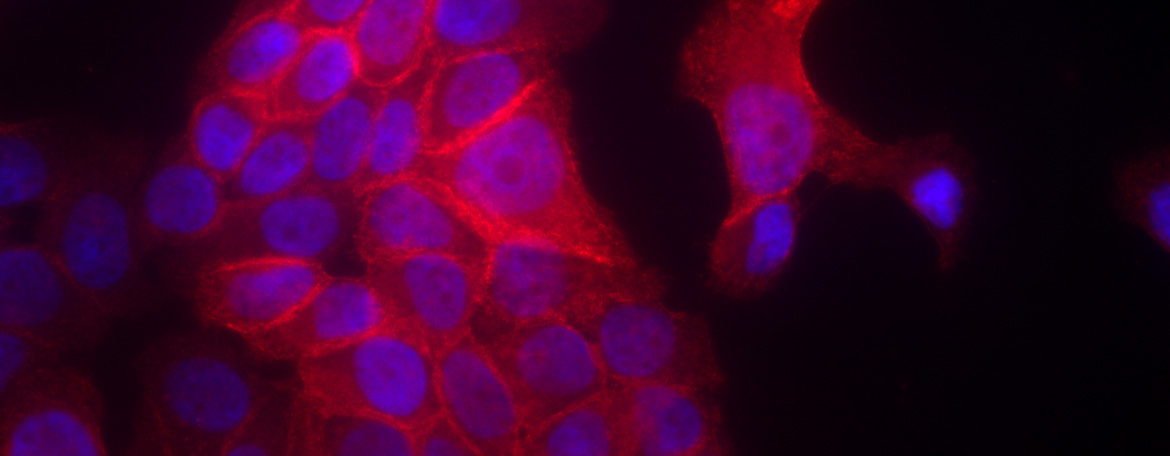
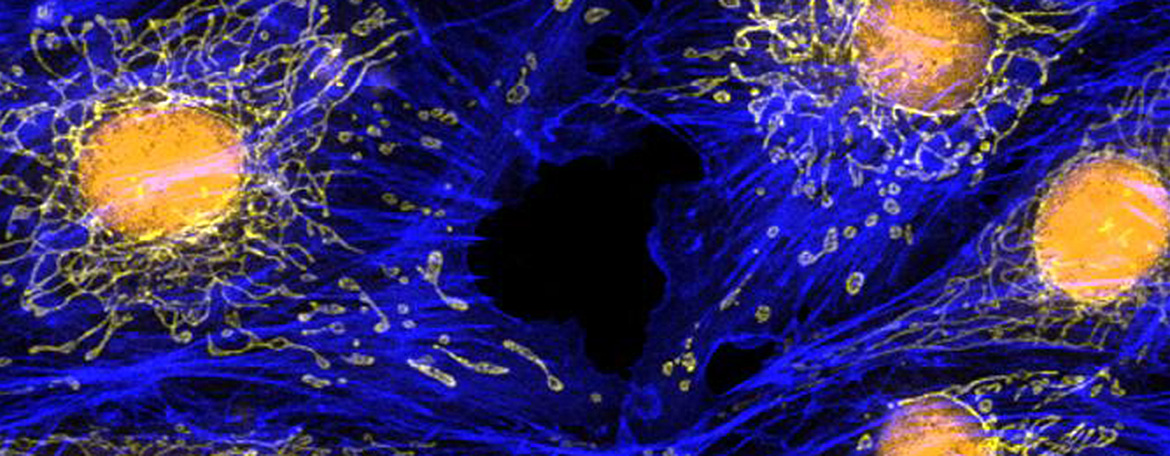
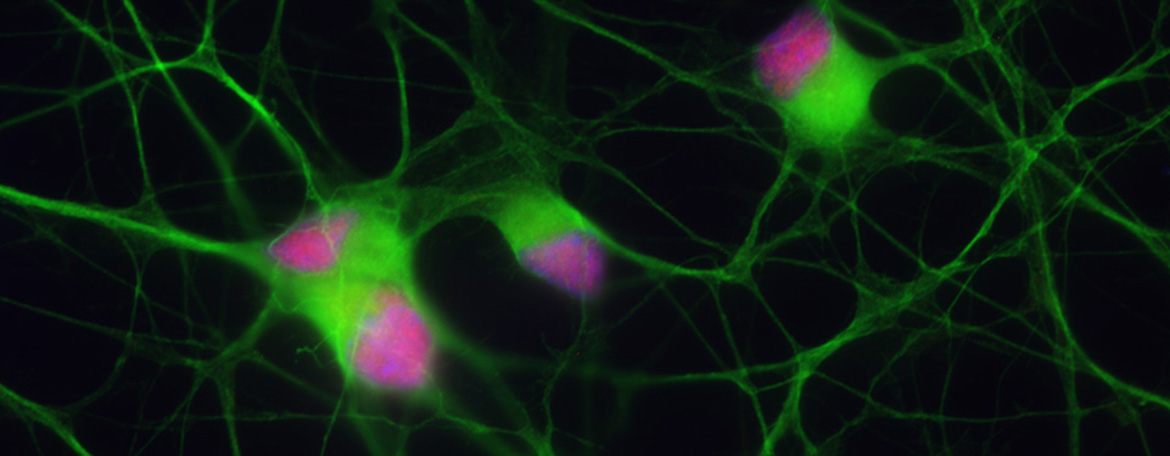
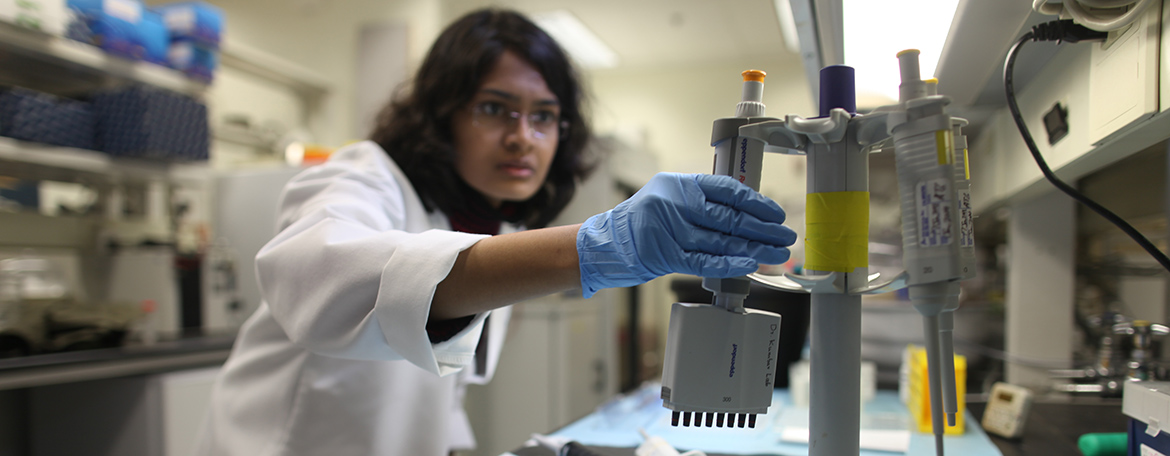
Research in the area of brain and behavior strives to understand the nervous system at the molecular, cellular, systems, and whole animal levels. Faculty research employs state-of-the-art technologies in molecular biology, biochemistry, proteomics, electrophysiology, and microscopy as well as experimental tissue culture, transgenic, behavioral, and computational models to answer current questions in nervous system development, function, and dysfunction.

Brain and behavior research topics include neural cell signal transduction and gene expression, intracellular trafficking, synaptic transmission and neuroplasticity, neuropeptide biology, astrocyte and oligodendrocyte glial cell biology, human and mouse stem cell biology, sensory perception for hearing and taste, human psychoacoustics and genetics, drug abuse, epilepsy, stroke, multiple sclerosis, and neurodegeneration and neuroinflammation.


Rashmi Bansal, Associate Professor of Neuroscience; Ph.D., Central Drug Research Institute, 1976. The developmental, cellular and molecular biology of oligodendrocytes (OLs).

Elisa Barbarese, Professor of Neuroscience, Ph.D., McGill University. Developmental neurobiology, myelination, and multiple sclerosis.

John H. Carson, Professor of Molecular, Microbial and Structural Biology, B.A., Reed College, Ph.D., Massachusetts Institute of Technology. RNA transport in cells of the nervous system.

Betty Eipper, Professor of Cell Biology and Neuroscience, B.S., M.S., Brown University, Ph.D., Harvard University. Biosynthesis and secretion of peptides by neurons and endocrine cells.

Paul Epstein, Ph.D., Associate Professor of Cell Biology. Receptor signal transduction, second messengers, and protein phosphorylation in control of cell growth and regulation; purification and regulation of cyclic nucleotide phosphodiesterases; role of calmodulin in mediating Ca2+-dependent cell processes.

Marion E. Frank, Professor of Oral Health and Diagnostic Sciences; Director, Center for Neurosciences, Ph.D., Brown University. Gustatory neurophysiology, neuroanatomy, behavior and disorders; processing of chemosensory information by the nervous system; clinical testing of oral chemosensory function in humans.

Henry M. Furneaux, Associate Professor of Molecular, Microbial and Structural Biology; Ph.D., University of Aberdeen, Scotland. The regulation of gene expression at the posttranscriptional level.

Brenton R. Graveley, Associate Professor of Genetics and Developmental Biology. Ph.D., University of Vermont, 1996. Regulation of alternative pre-mRNA splicing.

James Hewett, Assistant Professor of Neuroscience, Ph.D., Michigan State University. Mechanisms of cell injury and inflammation in the central nervous system.

Sandra Hewett, Professor of Neuroscience, B.S., Providence College, Ph.D., Michigan State University. Mechanisms underlying cell death in the central nervous system: the interplay between excitotoxicity and inflammation.

Duck O. Kim, Professor of Neuroscience and Otolaryngology, D.Sc., Washington University, St. Louis. Neurobiology and biophysics of the auditory system; computational neuroscience of single neurons and neural systems; experimental otolaryngology (otoacoustic emissions); biomedical engineering.

Eric S. Levine, Assistant Professor of Neuroscience, B.S., Massachusetts Institute of Technology, Ph.D., Princeton University. Synaptic physiology and plasticity, in particular the roles of nerve growth factors and endogenous cannabinoids in the hippocampus and cerebral cortex.

James Li, Ph.D., Assistant Professor. Development of the central nervous system (CNS), with an emphasis on the mammalian cerebellum.

Leslie M. Loew, Professor of Cell Biology; Ph.D., Cornell, 1974. Spectroscopic methods for measuring spatial and temporal variations in membrane potential; electric field effects on cell membranes; membrane pores induced by toxins and antibiotics.

Richard Mains, Professor of Neuroscience, B.S., M.S. Brown University, Ph.D., Harvard University. Pituitary; sympathetic neurons; peptides; vesicles; enzymes; tissue culture; development.

Louise McCullough, Assistant Professor of Neurology and Neuroscience, M.D., Ph.D., University of Connecticut. Basic mechanisms involved in cerebral ischemia.

D. Kent Morest, M.D., Professor of Neuroscience. Role of cell and tissue interactions in the migration and differentiation of neurons; structure and function of neurons during development and synapse formation.

Douglas L. Oliver, Professor of Neuroscience, Ph.D., Duke University. Synaptic organization; parallel information processing in the central nervous system; Ionic currents and channel expression and their role in information processing; neurocytology, morphology, and cellular physiology of CNS sensory systems; biology of hearing and deafness.

Joel S. Pachter, Professor of Cell Biology; Ph.D., NYU, 1983. Use of laser capture microdissection for gene profiling of the neurovascular unit in health and disease.

Pramod K. Srivastava, Professor of Medicine, Ph.D., Center for Cellular and Molecular Biology, Hyderabad, India. Heat shock proteins as peptide chaperones, roles in antigen presentation and applications in immunotherapy of cancer, infectious diseases and autoimmune disorders.

Zhao-Wen Wang, Assistant Professor of Neuroscience, Ph.D., Michigan State University. Cellular and molecular mechanisms of neurotransmitter release; potassium and calcium channel function; synaptic localization of potassium channels.

  
A-Z INDEX        UCONN HEALTH CENTER        TEXT-ONLY © University of Connecticut Health Center
Disclaimer   Privacy Notice
Maps & Directions